
وَقُلْ رَبِّ زِدْنِي عِلْمًا
✦
ADMISSIONS OPEN • JOIN AL BUROOJ TODAY
✦
إِنَّ مَعَ الْعُسْرِ يُسْرًا
✦
ENROLL NOW • QURAN, ISLAMIC STUDIES & GRADE 1–12 CLASSES
✦
رَبِّ اشْرَحْ لِي صَدْرِي
✦
BOOK YOUR FREE TRIAL CLASS • MALE & FEMALE TUTORS
✦
اقْرَأْ بِاسْمِ رَبِّكَ الَّذِي خَلَقَ
✦
ISO CERTIFIED • LEARN FROM HOME, ANYWHERE IN THE WORLD
✦

How to Help Your Child Learn the Quran at Home: 7 Practical Tips

Home»Blog»Parenting

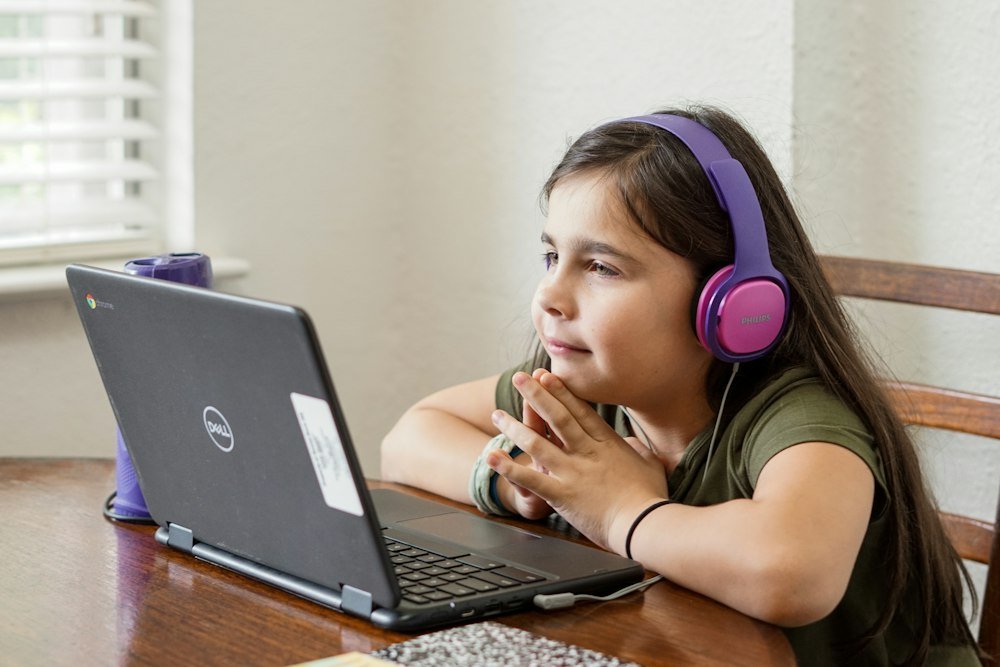
Online Quran classes give your child expert guidance, but much of the real progress happens between lessons, at home. A few minutes of the right kind of support each day can make the difference between a child who slowly loses interest and one who looks forward to every class.

Here are seven practical habits that help children stay motivated and keep improving.

1. Set a Fixed Daily Quran Time

Children thrive on routine. Choose a short, fixed time each day, such as after Fajr, after school or before bed, and keep it consistent. When Quran practice has its own place in the day, it stops being something to negotiate and becomes simply "what we do".

2. Keep Practice Short and Regular

Five to ten minutes every day is far more effective than one long session at the weekend. Short practice keeps concentration high, helps memory, and leaves your child wanting more rather than feeling worn out.

3. Listen Together

Children learn pronunciation by hearing it. Play recordings of clear, measured recitation at home or in the car, especially of the Surahs your child is learning. Listening regularly trains the ear and makes memorization noticeably easier.

4. Celebrate Every Small Step

Finishing a lesson of the Qaida, reading a full line without help, or memorizing a new Surah are all achievements. Notice them and praise the effort, not just the result. A simple chart with stickers can work wonders for younger children.

5. Explain the Meaning

When children understand what they are reciting, the Quran becomes personal. Share the simple meaning of the short Surahs they know, such as Al-Ikhlas or Al-Asr, and talk about what they teach. Understanding builds love, and love builds consistency.

6. Be the Example

Children copy what they see. When they see you reading the Quran, listening to recitation or reviewing your own memorization, they learn that the Quran is part of everyday life for the whole family, not just a lesson for children.

"The best of you are those who learn the Quran and teach it."Sahih al-Bukhari

7. Work Closely with the Tutor

Your child's tutor is your partner. Sit in on a class from time to time, ask what to focus on during the week, and share anything that might affect your child's learning. When parents and tutors work together, children make faster and steadier progress.

A Little Every Day

There is no need for long hours or pressure. A consistent routine, short daily practice and plenty of encouragement are what help children build a relationship with the Quran that lasts a lifetime.

If you are looking for a patient tutor to guide your child, Al Burooj offers live one-to-one Quran classes for kids, with regular progress updates for parents. You can book a free trial class to meet the tutor first.

A

Al Burooj Team

Articles from the Al Burooj team on learning the Quran, Arabic and Islamic Studies, and supporting learners at home.

Keep Reading

Related Articles

More guides for students and parents.

Noorani Qaida Explained: What It Is and Why Beginners Start Here

Noorani Qaida Explained: What It Is and Why Beginners Start Here

What the Noorani Qaida covers, lesson by lesson, and why it is the best first step for children and adults learning to read the Quran.


Teaching Children Salah: A Step-by-Step Guide for Parents

Teaching Children Salah: A Step-by-Step Guide for Parents

A gentle, age-appropriate approach to teaching children Wudu and prayer, and building the habit with love rather than pressure.
Online vs In-Person Quran Classes: Which Is Right for Your Family?

Online vs In-Person Quran Classes: Which Is Right for Your Family?

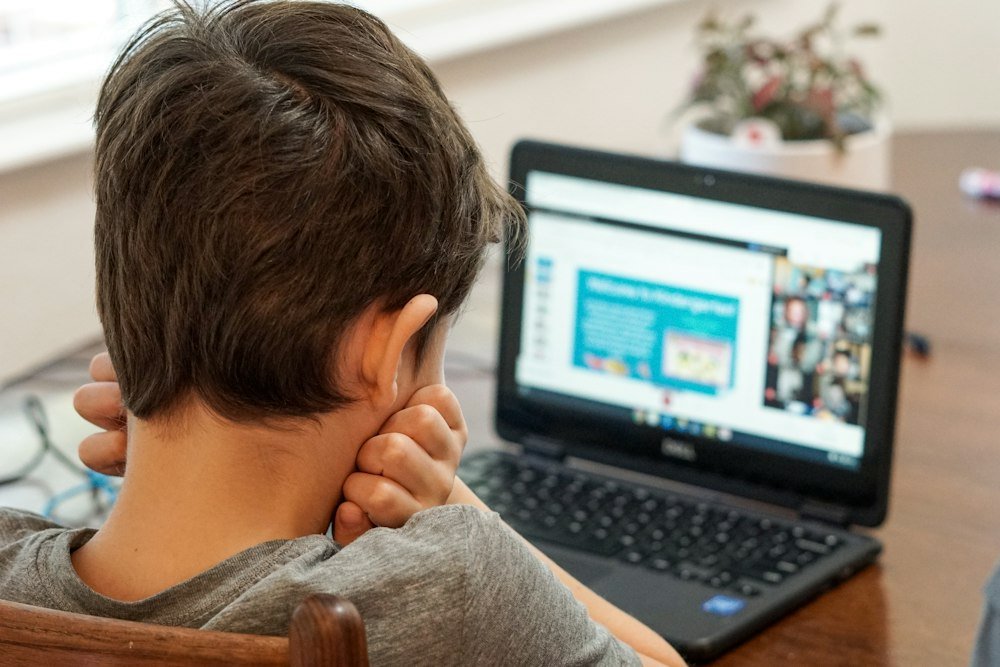
A balanced look at the benefits and trade-offs of online and in-person Quran learning, to help you decide what suits your family.